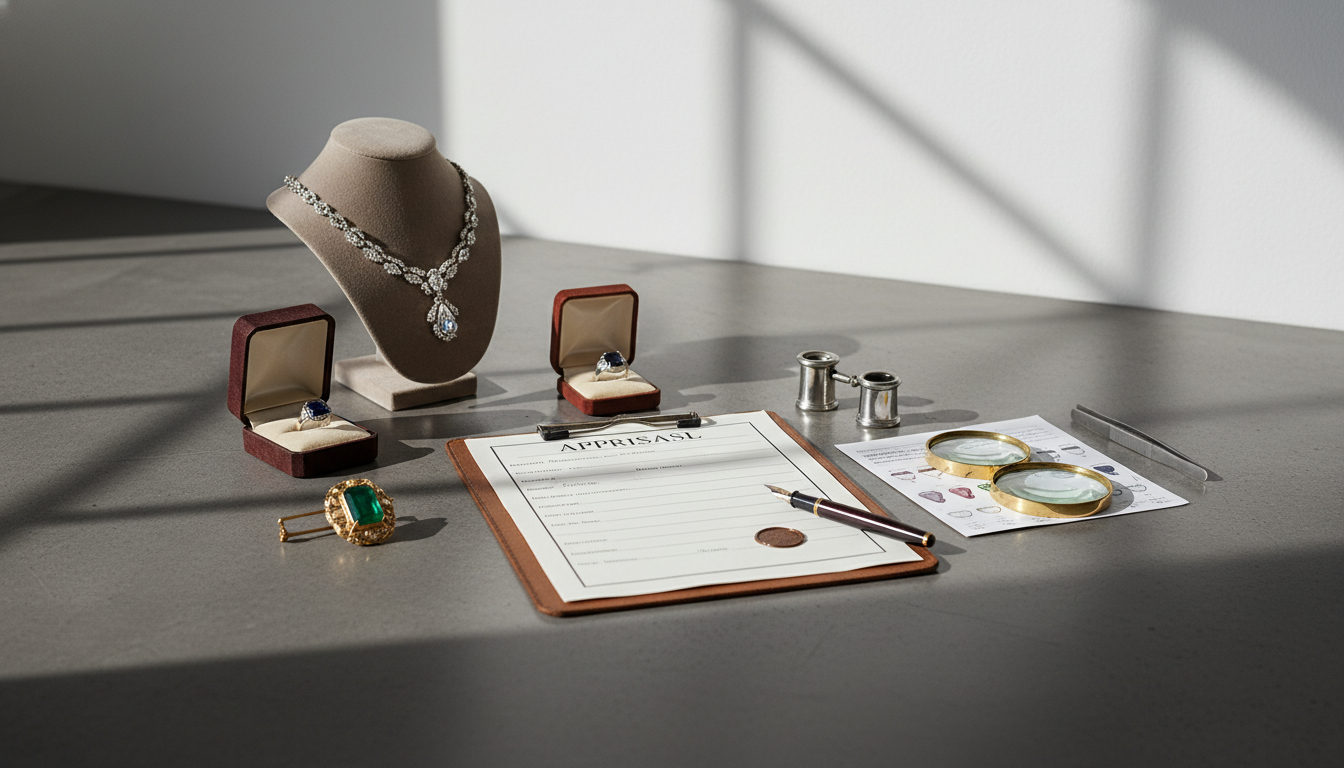
Antique Jewelry Appraisal: What Actually Works?
A professional antique jewelry appraisal works. This process determines your item’s value, authenticity, and history. A proper antique jewelry appraisal provides a legal document for insurance, sale, or estate planning. It is not a quick online estimate. We believe the right appraisal protects your investment and tells your piece’s story.
Table of Contents
What is a Professional Antique Jewelry Appraisal?
A professional appraisal is a formal written document. It describes your antique jewelry in detail. The report assigns a specific value for a defined purpose. This purpose is usually insurance replacement, estate valuation, or sale. The appraiser must be qualified and independent. We provide this service with certified gemologists and antique specialists.
Key components of a legitimate appraisal include:
- A detailed description of materials and gemstones.
- Precise measurements and weight.
- High-quality photographs.
- Identification of the period and style.
- A statement of the appraiser’s qualifications.
- The defined purpose and value conclusion.
- The effective date of the valuation.
Why You Need a Formal Appraisal (Beyond Curiosity)
You need a formal appraisal for concrete financial and legal reasons. Guessing your jewelry’s value is risky. An official document provides necessary proof.
For Insurance: Your homeowner’s policy likely lacks sufficient coverage. An appraisal sets the replacement value for a total loss. We help you secure proper coverage to avoid devastating underpayment.
For Estate Planning: An appraisal establishes fair market value for heirs or tax authorities. This prevents family disputes and ensures compliance.
For Selling: Knowing the accurate value prevents you from accepting a lowball offer. It gives you negotiating power with dealers or at auction.
For Divorce or Legal Settlement: A neutral appraisal ensures an equitable asset division. It provides a court-accepted value.
The Step-by-Step Appraisal Process Explained
The appraisal process is methodical and transparent. Understanding it demystifies the service. We guide you through each phase from start to finish.
- Initial Consultation: We discuss your item and your needs. You state the appraisal’s purpose (insurance, sale, etc.).
- Physical Examination: Our expert inspects the piece under magnification. We assess metals, gemstones, craftsmanship, and condition.
- Testing and Analysis: We may use tools like a loupe, microscope, or diamond tester. We never perform destructive tests without your consent.
- Research: We identify the maker, period, and hallmarks. We compare your piece to similar items sold at auction.
- Valuation: We apply the correct valuation approach for your purpose. We determine the final value conclusion.
- Report Generation: We compile the detailed, bound appraisal document. You receive the official report.
Appraiser Credentials: Who Can You Trust?
Not all jewelers are qualified appraisers. Trust credentials from recognized gemological and appraisal institutions. These require rigorous study and ongoing education.
Look for these designations:
- GG (Graduate Gemologist): From the Gemological Institute of America (GIA). Indicates expertise in gemstone identification and grading.
- ASA (Accredited Senior Appraiser): From the American Society of Appraisers. The gold standard for personal property appraisal.
- JA (Jewelers of America) Certified Appraiser: Demonstrates specific jewelry appraisal competency.
Beware of appraisers who offer to buy your item. This is a major conflict of interest. Our appraisers have no stake in purchasing your jewelry. Their only job is to give you an unbiased value.
Online Estimates vs. In-Person Appraisals
Online tools offer a tempting quick answer. They cannot replace a hands-on evaluation by an expert. The table below clarifies the critical differences.
| Feature | Online Estimate / “Appraisal” | Professional In-Person Appraisal |
|---|---|---|
| Basis of Value | Algorithmic guess based on photos. | Hands-on inspection and market analysis. |
| Gemstone Verification | Impossible. Cannot detect treatments or synthetics. | Verified with professional tools and expertise. |
| Metal Analysis | Assumed from description or photo color. | Tested for purity and confirmed. |
| Condition Assessment | Not possible from images alone. | Thoroughly evaluated for wear, damage, or repairs. |
| Hallmark/Maker ID | Often missed or misread in photos. | Carefully deciphered and researched. |
| Legal Document | No. Not acceptable for insurance or courts. | Yes. A legally defensible valuation report. |
| Purpose | Curiosity only. | Insurance, sale, estate, legal proceedings. |
We strongly advise against using online estimates for anything beyond initial curiosity. They frequently miss crucial details that affect value.
What Determines the Value of Antique Jewelry?
Value is not just about gold weight or carat size. Multiple factors combine to create the final number. Our appraisers evaluate all these elements.
1. Provenance and Maker: Jewelry from famous houses like Cartier or Tiffany holds premium value. A documented history (provenance) adds significant worth.
2. Period and Style: Pieces from distinct eras (Victorian, Art Nouveau, Art Deco) have dedicated collectors. Rarity within a style drives price.
3. Craftsmanship and Condition: Hand-fabricated pieces are more valuable than mass-produced items. Excellent original condition is paramount. Poor repairs diminish value.
4. Gemstone Quality: For antique pieces, the cut, color, and natural origin are key. Modern grading scales may not apply to old mine or old European cut diamonds.
5. Precious Metal Content: The type and purity of gold, platinum, or silver form the base value. This is then multiplied by the other factors.
Evidence and Numbers
- Over 60% of jewelry is underinsured by 40% or more, often due to outdated appraisals. Source Update your appraisal every 3-5 years to maintain proper coverage.
- Auction sales of antique and period jewelry grew by 35% in a recent five-year period. Source This strong market demand can positively impact your piece’s current value.
- A 2022 survey found that 1 in 3 “estate” diamonds sold online were misrepresented as natural when they were lab-grown. Source A professional appraisal is the only way to guarantee an accurate gemstone identification.
How to Prepare for Your Appraisal Appointment
Good preparation makes the process efficient and thorough. Follow these steps before you visit our studio.
- Gather any original boxes, receipts, or old documentation.
- Note any family stories or known history about the piece.
- Do not clean the jewelry aggressively. Gentle wiping with a soft cloth is fine.
- Transport items securely in separate soft pouches or boxes.
- Write down your specific questions for the appraiser.
- Know why you need the appraisal (insurance, sale, etc.).
We will examine each item with care and explain our findings as we work.
Common Appraisal Mistakes to Avoid
Owners often make simple errors that cost them time, money, or accuracy. Avoid these common pitfalls.
1. Using a “Free Appraisal” that is a sales pitch. Many jewelers offer “free appraisals” to buy your item low. We provide objective appraisals with no purchase pressure.
2. Not updating insurance appraisals. Values change with the precious metals and gem markets. An old appraisal leaves you underinsured.
3. Confusing retail price with resale value. What you paid in a store is not its fair market value for sale or estate purposes. Different standards apply.
4. Cleaning or repairing before an appraisal. An appraiser needs to see the item’s true, “as-is” condition. Let the expert advise you on restoration.
FAQ
How much does an antique jewelry appraisal cost? Fees are typically based on the time and expertise required, not a percentage of value. Expect an investment starting in the hundreds for a proper report. We provide clear, upfront pricing before any work begins.
How long does the appraisal process take? A thorough appraisal usually takes 1-2 weeks from inspection to final report delivery. Complex items with significant research needs may take longer. We will give you a realistic timeline.
Do you appraise items from photos or videos? No. A credible appraisal requires a physical, in-person examination. We cannot verify materials, gemstones, or condition remotely. We must see the piece firsthand.
How often should I update my insurance appraisal? We recommend a review every 3 to 5 years. Update it immediately if market prices surge or you have the piece significantly repaired. This keeps your coverage accurate.
Can you appraise broken or damaged jewelry? Yes. We appraise items in any condition. The damage will be noted and its effect on value will be explained in the report. We can also recommend expert restorers.
Stop wondering about your antique jewelry’s true worth. Get a definitive, professional valuation that stands up to insurers, buyers, and legal standards. Our certified experts are ready to preserve your legacy and protect your assets. Start now by contacting us to schedule your confidential appraisal consultation.